
Engineering Drawing
Understand basic engineering drawings, measurements, plans, sections and construction drawing concepts.
Develop practical knowledge in construction, surveying, building materials, estimation, structural fundamentals and site management for a career in the growing infrastructure sector.
A practical, career-focused course introducing learners to construction technology, surveying, materials, estimation, site practices and essential civil engineering concepts.

Civil Engineering focuses on the planning, construction, maintenance and development of buildings, roads, bridges, infrastructure and other physical structures.
The course introduces learners to practical civil engineering concepts including surveying, construction materials, building methods, estimation, drawing fundamentals, site safety and construction management.
Learn fundamental concepts used in construction, surveying, materials, estimation and civil engineering site activities.
Understand basic engineering drawings, measurements, plans, sections and construction drawing concepts.
Learn basic land surveying, measurements, levelling, field observations and surveying instruments.
Study common construction materials such as cement, concrete, bricks, aggregates and steel.
Understand basic construction methods, foundations, masonry, concrete work and building practices.
Learn the fundamentals of quantity estimation, material calculations, costing and project documentation.
Understand construction site hazards, personal protective equipment and safe working procedures.
Civil engineering is a practical discipline. Learners can develop their understanding through surveying, construction materials, drawings, measurements and site-oriented activities.
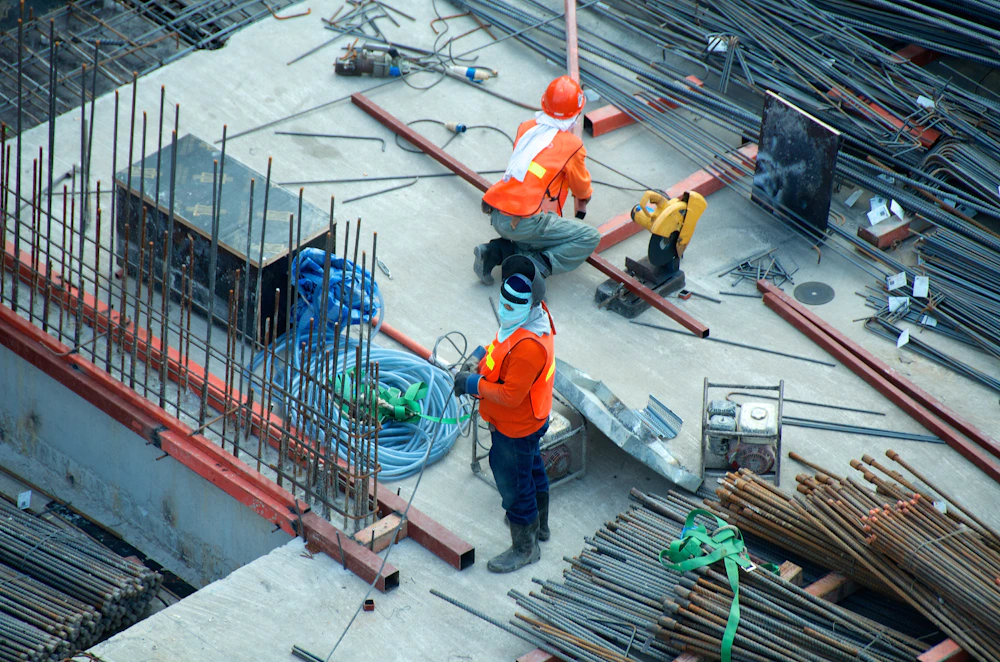
Understand construction activities, site organisation and basic project practices.

Learn about foundations, structural components, masonry and common construction processes.

Develop basic field measurement, levelling and surveying knowledge.

Become familiar with commonly used construction tools and equipment.

Understand basic planning, measurements, material requirements and project coordination.

Learn safe working practices and the importance of protective equipment on construction sites.
The curriculum is designed to introduce learners to essential civil engineering concepts and develop practical knowledge relevant to construction and infrastructure environments.
Enquire About CoursePractical exposure helps learners understand how civil engineering concepts are applied in real construction and infrastructure environments.
Training can include measurements, surveying, material identification, drawings, estimation exercises and construction-related activities.

Civil Engineering can be a suitable choice for learners interested in construction, infrastructure, buildings, roads, surveying and technical work.
A practical starting point for learners who want to understand civil engineering and construction fundamentals.
Suitable for learners interested in drawing, measurements, surveying, construction and technical activities.
Useful for learners interested in construction companies, infrastructure projects and site-based career opportunities.
Civil engineering knowledge can be applied across construction companies, infrastructure projects, real estate, road development, surveying and building maintenance.
Civil engineering plays an important role in
developing buildings, roads, bridges, housing,
transport systems and public infrastructure.
Developing practical knowledge in surveying,
construction, materials, estimation and site
practices can help learners prepare for
technical roles in the construction industry.
Learn construction. Develop technical skills. Build the future.